
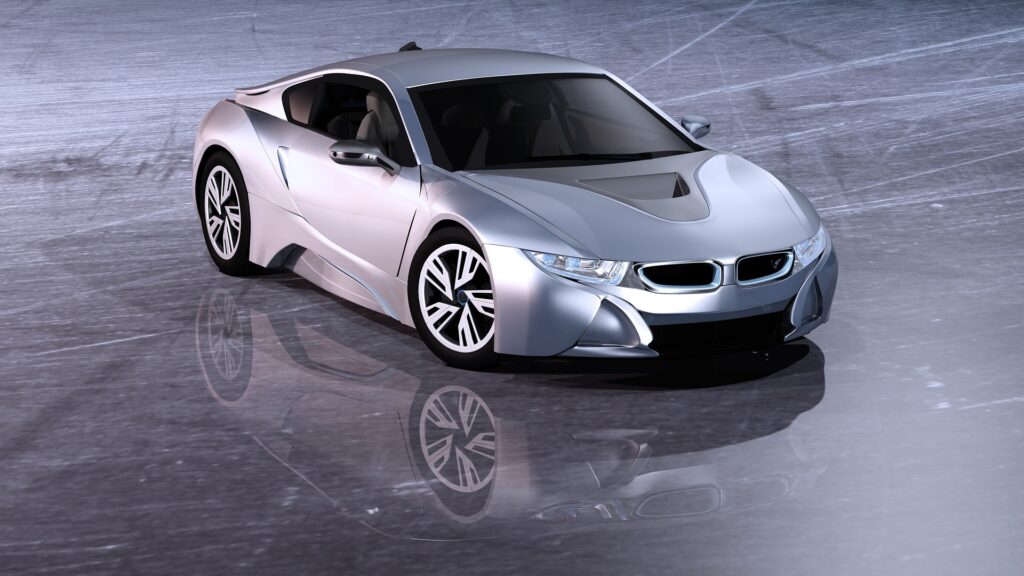
Electric vehicles have moved from a niche concept to one of the most important transformations in modern transportation. Over the past decade, EVs have rapidly gained popularity as manufacturers, governments, and consumers shift toward cleaner and more efficient mobility solutions. What once seemed like a futuristic idea is now becoming the foundation of the automotive industry’s next chapter.
The growth of electric vehicles is driven by several factors. Environmental concerns, advancements in battery technology, and government incentives have all contributed to the rapid adoption of EVs around the world. Many countries are introducing stricter emissions regulations, encouraging automakers to develop vehicles that produce little to no pollution.
Battery technology is at the heart of this transformation. Early electric cars struggled with limited range and long charging times, but modern batteries have improved dramatically. Today’s EVs can travel hundreds of miles on a single charge, making them practical for daily commuting as well as longer road trips. Continued research into battery chemistry and energy density is expected to push these limits even further in the coming years.
One of the biggest advantages of electric vehicles is their simplicity compared to traditional gasoline-powered cars. Internal combustion engines contain hundreds of moving parts, while electric motors are far less complex. This reduced mechanical complexity often means fewer maintenance requirements and potentially lower long-term ownership costs. Many EV owners report fewer mechanical issues compared to conventional vehicles.
Another major shift brought by EVs is the way vehicles deliver performance. Electric motors provide instant torque, allowing EVs to accelerate quickly and smoothly. This characteristic has made electric cars surprisingly competitive with traditional performance vehicles. In fact, many modern electric cars rival the acceleration of some of the world’s fastest performance machines. If you enjoy high-performance vehicles, you might also enjoy exploring The Fastest Supercars in the World Right Now, where cutting-edge speed and technology push the limits of automotive engineering.
Charging infrastructure is another area that has seen significant development. In the early days of EV adoption, finding a charging station could be difficult. Today, charging networks are expanding rapidly across North America, Europe, and Asia. Fast-charging technology allows many electric vehicles to recharge a large portion of their battery in under an hour, making long-distance travel far more convenient than it once was.
Major automakers have fully embraced the electric revolution. Companies that built their reputations on traditional gasoline engines are now investing billions of dollars into electric platforms and battery research. Brands known for engineering excellence are adapting quickly to this shift. German manufacturers in particular are developing high-performance electric models that combine sustainability with precision engineering. The long tradition of German automotive innovation helps explain why brands from that region continue to influence the future of vehicle technology, a topic explored further in Why German Car Brands Became Synonymous with Engineering Excellence.
Electric vehicles are also reshaping how cars are designed. Without the need for large combustion engines or complex transmissions, designers have more freedom to create spacious interiors and aerodynamic body shapes. Many EVs feature minimalist dashboards, large digital displays, and advanced software systems that enhance the driving experience.
Another important development is the integration of smart technology. Electric vehicles are often built around advanced software platforms that allow over-the-air updates, meaning the vehicle’s features can improve over time without visiting a dealership. This approach brings the automotive world closer to the technology industry, where software plays an increasingly important role in product development.
Despite the rapid progress, challenges still remain. Battery production requires significant raw materials, and charging infrastructure must continue expanding to support growing demand. However, ongoing innovation and investment are steadily addressing these issues as EV technology matures.
The shift toward electric vehicles represents more than just a new type of car. It marks a fundamental transformation in how transportation is designed, powered, and experienced. As battery technology improves and infrastructure expands, electric vehicles are likely to become an even more common sight on roads around the world.
For drivers and enthusiasts alike, the rise of electric vehicles signals the beginning of a new era in automotive history; one defined by innovation, sustainability, and exciting new possibilities for the future of driving.
