
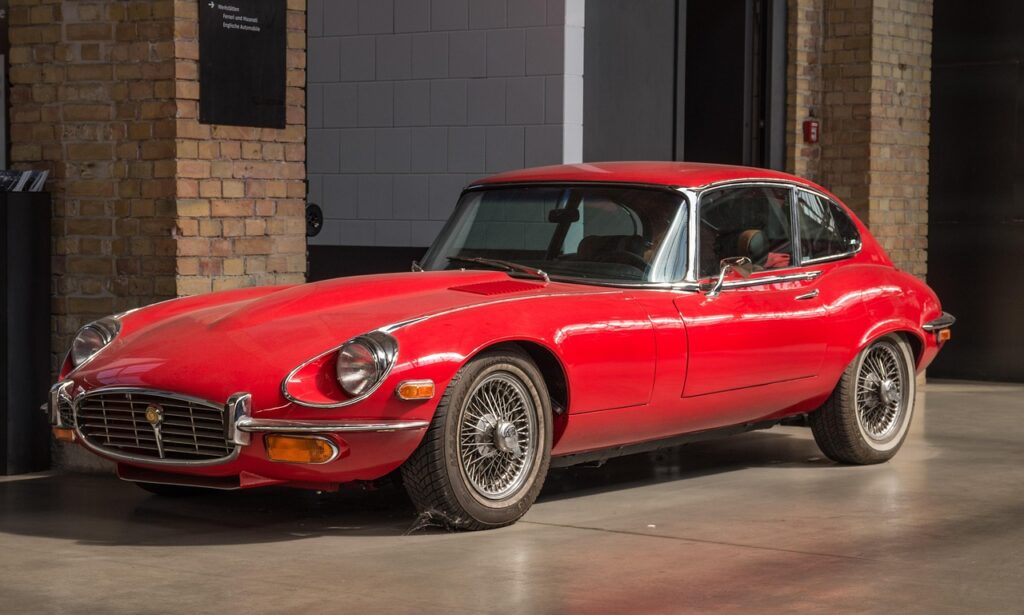
Classic cars have a way of capturing the imagination unlike any modern vehicle. They represent a moment in time when design, performance, and style were fused into machines that were more than just transportation.
For collectors, enthusiasts, and even casual fans, classic cars are not only a source of joy but also an investment. Over the past few years, the market for vintage and collectible cars has grown significantly, with certain models seeing dramatic price increases.
The key to buying a classic car before prices soar is knowing which models are undervalued or have the potential to gain significant appreciation. Some cars may be overlooked by the general public but adored by enthusiasts who understand their rarity, performance, or cultural significance.
Others have been consistently popular but have not yet reached their peak market value. Understanding trends, production numbers, and historical importance can make the difference between purchasing a classic car for enjoyment and securing one as a smart investment.
Timing is also crucial. Market conditions, collector interest, and even global economic factors can influence prices. Those who recognize the right opportunities can enjoy not only the thrill of ownership but also the satisfaction of making a shrewd investment.
This list highlights ten classic cars that are considered strong candidates for rising in value. Each of these models offers something unique, whether it is styling, performance, or historical significance, making them worthy of attention for anyone looking to enter the classic car market.
1. 1969 Dodge Charger
This American muscle car combines aggressive styling with powerful V8 engines. Low production numbers for certain trims and its pop culture presence make it highly collectible and likely to appreciate.
2. 1964 Ford Mustang
The Mustang launched the pony car era in America. Early models, particularly convertibles and GT trims, have steadily increased in value and remain an accessible entry point for new collectors.
3. 1957 Chevrolet Bel Air
A symbol of 1950s Americana, the Bel Air is prized for its chrome details and tailfins. Restored examples have shown consistent appreciation over the past decade.
4. 1961 Jaguar E-Type
Often considered one of the most beautiful cars ever built, the E-Type is coveted by European car collectors. Its combination of performance and elegance makes it a strong long-term investment.
5. 1963 Chevrolet Corvette Stingray
The Corvette Stingray introduced a new design language and advanced engineering. Low-mileage examples and early production models are increasingly sought after.
6. 1970 Plymouth Hemi Cuda
This car is legendary among muscle car enthusiasts. Its powerful HEMI engine and limited numbers make it one of the rarest and most valuable American classics.
7. 1966 Ferrari 275 GTB
A symbol of Italian craftsmanship, the 275 GTB is desirable for its performance and aesthetics. Auctions show steady growth in value over the years.
8. 1954 Mercedes-Benz 300SL Gullwing
The Gullwing is a European icon with unique doors and advanced engineering. Limited production makes it one of the most expensive and collectible classic cars.
9. 1961 Aston Martin DB4
Blending sophistication with racing heritage, the DB4 has gained recognition for its elegance and historical significance. Collectors consider it a smart acquisition.
10. 1959 Cadillac Eldorado
The Eldorado represents the height of 1950s luxury. Its extravagant design and low surviving numbers make it a desirable classic that continues to rise in value.
Classic cars offer a rare combination of enjoyment and investment potential. Owning one is not just about driving and appreciating a piece of history, but also about recognizing the value these vehicles carry over time.
Each car on this list has a story, design appeal, and market factors that make it likely to increase in value. Cars like the Dodge Charger, Mustang, and E-Type have strong fan followings, while rarer models such as the Hemi Cuda, 300SL Gullwing, and Ferrari 275 GTB attract serious investors who understand their scarcity.
Purchasing a classic car before its value rises requires research, patience, and sometimes a willingness to look beyond the obvious choices. Factors such as condition, originality, mileage, and provenance play a significant role in determining future appreciation.
Market trends indicate that cars with limited production numbers, iconic styling, or historical significance tend to perform best. Those who enter the market now can enjoy not only the driving experience but also the confidence that their investment may grow over the years.
Collectors who act wisely are rewarded with vehicles that offer both tangible and emotional value, proving that classic cars are as much about passion as they are about strategy.
