
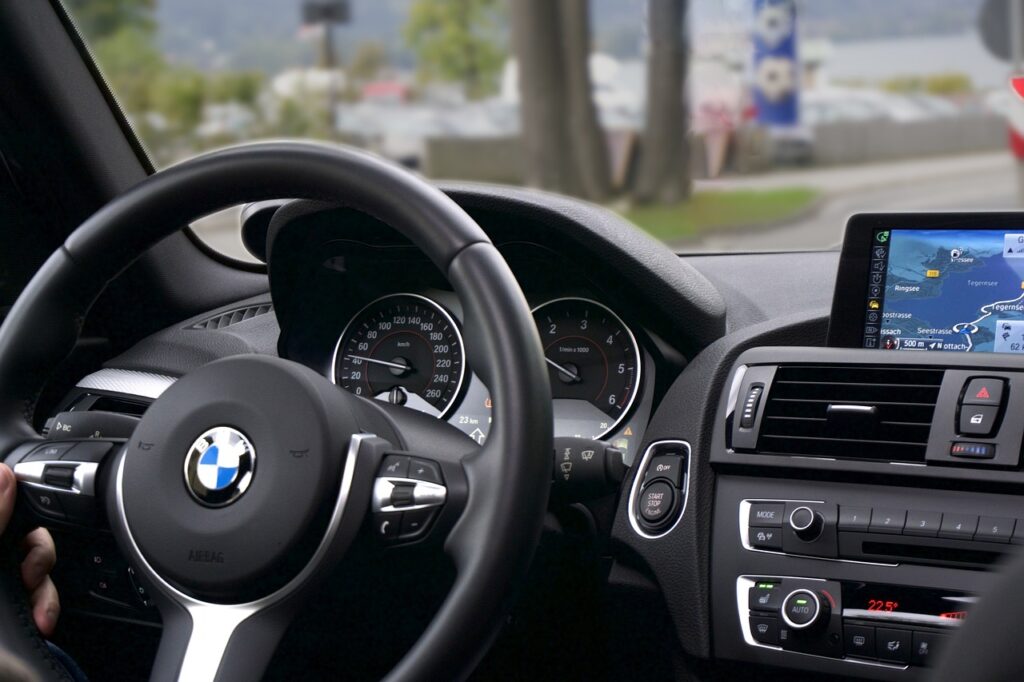
BMW, or Bayerische Motoren Werke, is a name synonymous with luxury, performance, and engineering excellence. What began as a manufacturer of aircraft engines in the early 20th century has transformed into one of the world’s most respected automotive brands. The journey from producing military aircraft engines during World War I to crafting some of the finest luxury vehicles today is a story of resilience, innovation, and a dedication to craftsmanship. Over the decades, BMW has revolutionized the automotive world, not just with powerful engines, but also with cutting-edge designs and technology that set the standard for high-performance vehicles.
The company’s growth was marked by strategic shifts in product offerings, adapting to market demands while keeping its core philosophy of performance and driving pleasure intact. The transition from aircraft engines to automotive manufacturing might seem drastic, but BMW’s history of overcoming challenges, navigating economic recessions, and embracing new trends made it the iconic brand it is today. From the introduction of the legendary BMW 328 Roadster in the 1930s to the current lineup of electric and hybrid vehicles, BMW has consistently pushed boundaries and defined what it means to drive a premium vehicle. In this article, we’ll explore the evolution of the BMW brand, highlighting key milestones that shaped its trajectory in the automotive industry.
1. Early Beginnings – Aircraft Engines and the First Cars
BMW’s origins trace back to 1916 when the company was founded to produce aircraft engines. After World War I, the Treaty of Versailles prohibited Germany from making aircraft engines, which forced BMW to shift gears. In 1923, BMW produced its first motorcycle, the R32, and in 1928, the brand entered the automotive market with the acquisition of Fahrzeugfabrik Eisenach, a car manufacturing company. The first car, the BMW 3/15, was introduced in 1929, marking BMW’s entry into the world of automobiles.
2. Pre-War Innovation – The BMW 328 Roadster
Before World War II, BMW gained a reputation for producing high-performance vehicles. The 1936 BMW 328 Roadster was a standout. It was lightweight, sleek, and fast, with a 2.0-liter engine that made it one of the best roadsters of its time. The 328 gained fame in motorsport, winning several races and becoming a symbol of the company’s engineering prowess.
3. Post-War Recovery and the Birth of the “Neue Klasse”
After the devastation of World War II, BMW faced financial difficulties. The company was forced to rebuild, and it was in the 1960s that BMW made a significant comeback with the launch of the “Neue Klasse” (New Class). The 1500 sedan, introduced in 1962, was a pivotal model that helped establish BMW as a producer of premium sports sedans. The “Neue Klasse” set the foundation for the modern BMW lineup and shifted the brand’s image towards performance-oriented vehicles.
4. The 1970s – The Iconic 3 Series and 5 Series
The 1970s were a defining decade for BMW. The brand launched two iconic models that would go on to define its legacy: the 3 Series and the 5 Series. The BMW 3 Series, introduced in 1975, became one of the best-selling and most popular compact luxury sedans in the world. The 5 Series, launched in 1972, established BMW as a leader in mid-size luxury sedans. Both models embraced the brand’s hallmark blend of performance and luxury.
5. The 1980s and 1990s – Expanding the Lineup and Innovation
BMW continued to expand its product range during the 1980s and 1990s. The 7 Series, launched in 1986, represented BMW’s entry into the full-size luxury sedan market. Meanwhile, the 1990s saw the introduction of the BMW Z3 roadster, marking the brand’s entry into the sports car market. The 1990s also saw significant advancements in technology, including the introduction of the first-ever BMW M5, a performance version of the 5 Series. The M division’s cars began to gain legendary status for their power, precision, and track-ready performance.
6. The 2000s – Luxury and Technology Integration
In the early 2000s, BMW embraced luxury and technology. The 7 Series was updated with cutting-edge features, including a high-tech iDrive system that controlled navigation, entertainment, and vehicle settings. The 2001 BMW X5 marked the brand’s entry into the luxury SUV market, and the 1 Series debuted as a compact luxury car. This period also saw the launch of the BMW M6, a high-performance sports coupe. BMW’s commitment to innovation continued with the introduction of hybrid technology in vehicles like the BMW 7 Series ActiveHybrid in 2009.
7. The 2010s – Electric and Sustainable Vehicles
BMW entered the electric vehicle market with the 2013 launch of the BMW i3, a compact, fully electric city car made from sustainable materials. This marked the beginning of BMW’s commitment to sustainability and green technology. The BMW i8, a plug-in hybrid sports car, was also introduced, offering a glimpse into the future of performance and eco-friendly technology. The 2010s also saw the growth of the M series and the continued success of the 3 Series, 5 Series, and X series.
8. The Present and Future – Electrification and Autonomous Driving
Today, BMW continues to be at the forefront of automotive innovation. The brand has introduced a wide range of electric and hybrid models, including the fully electric BMW iX3 and i4. BMW’s focus on sustainability continues with a push for fully electric vehicles across its lineup by 2030. The company is also investing heavily in autonomous driving technology, aiming to incorporate semi-autonomous driving systems in its cars within the next few years.
BMW has come a long way since its beginnings as a manufacturer of aircraft engines. Over the decades, the brand has evolved, innovated, and adapted to the changing demands of the automotive market. From the early days of producing motorcycles and cars to becoming a leader in luxury, performance, and sustainability, BMW has solidified its place as one of the world’s premier automotive manufacturers.
The brand’s evolution has been marked by a consistent commitment to excellence, pushing the boundaries of design, technology, and driving dynamics. BMW’s ability to adapt to changing trends, whether it’s embracing new technologies, expanding its vehicle lineup, or focusing on sustainability, has allowed it to maintain its reputation as a leader in the automotive world. Looking ahead, BMW is poised to continue evolving, with a clear focus on electrification and autonomous driving, ensuring its place at the cutting edge of the automotive industry for years to come.
