
Electric vehicles have shifted from niche products to mainstream choices in less than a decade. Two companies that stand at the forefront of this transformation are Tesla and BYD. Both are household names in the EV world, but they approach the market from very different angles. Tesla, based in the United States, built its reputation on high‑performance electric cars, innovative technology, and bold visions of an all‑electric future. BYD, headquartered in China, started as a battery maker and grew into a massive automaker with an expansive lineup that includes not only passenger EVs but also buses and commercial vehicles.
When people compare Tesla and BYD, they are looking at two of the most influential companies in the global shift away from internal combustion engines. Tesla became famous for proving that electric cars could be desirable, quick, and fun to drive. Its vehicles have helped reshape public perception of what electric cars can do, and its developments in battery technology and autonomous driving have driven entire industries to adapt. BYD, on the other hand, took a broader approach. Rather than focusing only on premium EVs, it offers a range of affordable electric and plug‑in hybrid models that appeal to everyday drivers as well as fleet operators.
Both companies face fierce competition, but they also push each other and the rest of the industry forward. Tesla’s focus on innovation and performance contrasts with BYD’s emphasis on variety, price accessibility, and rapid market expansion. Understanding what sets them apart helps consumers choose the right vehicle for their needs and gives insight into how the EV market might evolve in the years ahead.
Tesla – Innovation and Performance
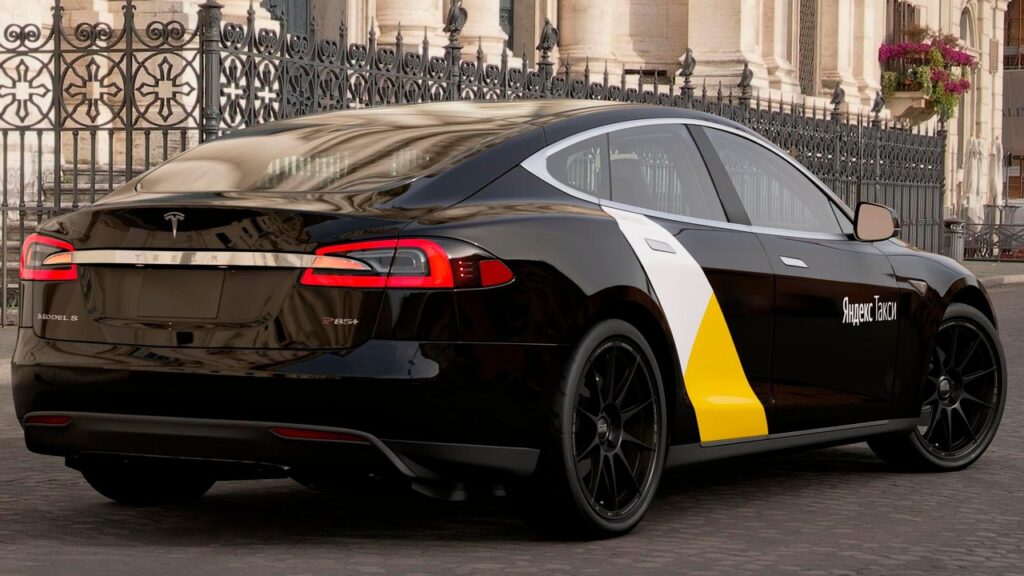
Tesla built its brand by creating electric cars that attract attention for their performance, range, and technology. From the Model S to the more affordable Model 3, Tesla vehicles are known for long driving range, quick acceleration, and over‑the‑air updates that keep software current. The company also invests heavily in autonomous driving technology and energy products like solar panels and home batteries.
BYD – Variety and Practicality
BYD started as a battery maker before expanding into electric vehicles, plug‑in hybrids, and commercial transport solutions. Its lineup spans affordable compact cars to larger family EVs, making it one of the most diverse electric vehicle portfolios in the world. BYD’s approach emphasizes accessibility and value for customers in different markets.
Range and Battery Technology
Tesla has focused on high‑capacity batteries and efficient powertrains to maximize driving range, with some versions offering over 350 miles of range on a single charge. BYD, while competitive, often balances range with cost, producing vehicles that offer solid performance for daily use without pushing the extreme limits of range.
Autonomous Driving
Tesla’s Autopilot and Full Self‑Driving software are some of the most discussed features in the auto industry, offering advanced driver assistance and the promise of future autonomous capability. BYD offers driver assistance systems as well, but its focus remains on reliable, affordable transportation rather than cutting‑edge autonomy.
Market Presence and Strategy
Tesla has a strong presence in North America, Europe, and parts of Asia, and its brand is often associated with innovation and premium vehicles. BYD dominates in China, the world’s largest EV market, and is rapidly expanding into other regions with a strategy centered on volume and affordability.
Charging Network
Tesla’s Supercharger network is widely regarded as one of the strongest EV charging infrastructures, making long‑distance travel more convenient for its owners. BYD owners rely on public charging networks that vary by region, and the company also works with partners to improve infrastructure availability.
Price and Accessibility
Tesla vehicles generally occupy the mid to premium price range, while BYD often targets more budget‑friendly segments, making electric mobility accessible to a wider audience. This difference in pricing strategy makes BYD a popular choice for cost‑conscious buyers.
Brand Perception
Tesla is often seen as a symbol of cutting‑edge technology and innovation, while BYD is recognized for practicality, reliability, and broad market appeal. Both brand perceptions reflect how each company has positioned itself in the global marketplace.
Electric vehicles are no longer the future, they are the present. Comparing Tesla and BYD reveals how different philosophies can both succeed in driving adoption of electric mobility. Tesla’s focus on performance, range, and technology helped elevate the image of electric cars from niche products to mainstream contenders. Its vehicles appeal to those who want excitement and innovation in every drive. BYD’s strategy centers on accessibility, offering a wide variety of models that serve everyday transportation needs for families, commuters, and fleet operators alike.
The competition between these two companies benefits the entire industry. Consumers gain more choice, better pricing, and faster technological advancements. Tesla pushes boundaries in battery efficiency and autonomous driving, while BYD expands the market by offering practical, affordable options. As both companies grow, they influence global policy, infrastructure development, and public perception of electric vehicles. Watching how each evolves provides insight into the future of transportation.
The story of Tesla versus BYD is not just about which company is better, but about the different ways in which electric mobility can flourish. Some buyers may prefer Tesla’s high‑performance and premium features, while others will gravitate toward BYD’s value and breadth of choices. Both companies contribute to lowering emissions and reducing dependence on fossil fuels, shaping a more sustainable automotive landscape. The evolution of electric vehicles will continue to be shaped by innovation, competition, and consumer demand, with Tesla and BYD playing central roles in that journey.
