
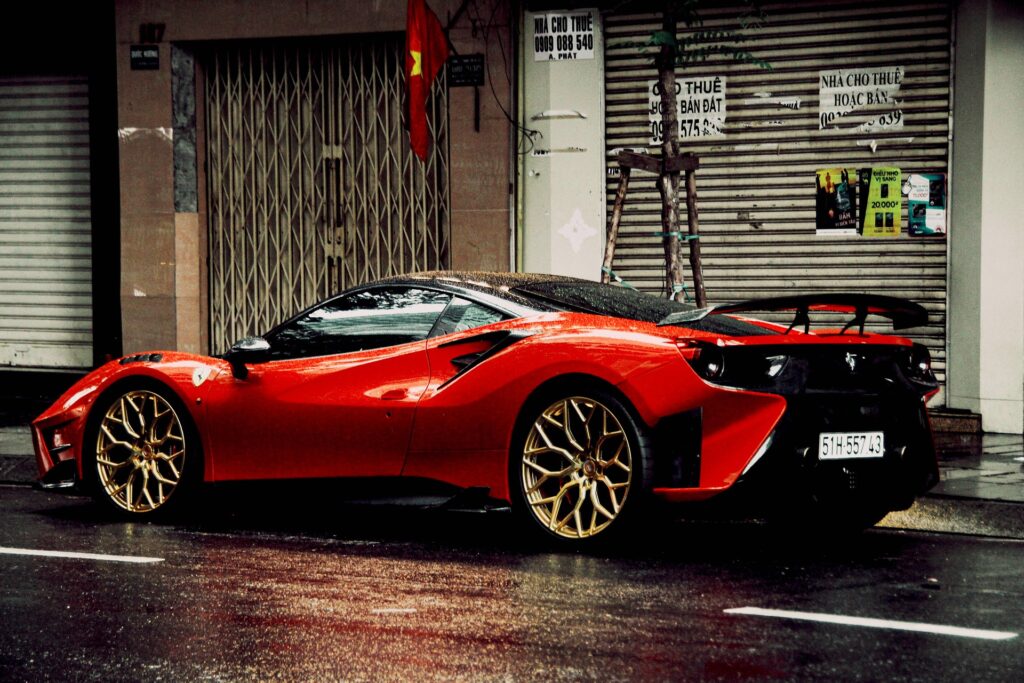
Supercars are some of the most coveted vehicles in the automotive world, combining extraordinary performance, design, and exclusivity. For collectors, enthusiasts, and investors alike, certain supercars have achieved astronomical values, breaking records and cementing their status as icons. From rare limited editions to historically significant models, the prices of these vehicles continue to astonish.
One of the highest-profile sales in recent years was the Ferrari 250 GTO, a classic from the 1960s. Often regarded as one of the most iconic Ferraris ever built, one example sold for over $70 million, making it the most expensive car ever sold at auction. Its rarity, racing heritage, and timeless design contribute to its staggering value, showing how historical significance can dramatically increase a supercar’s worth.
Modern supercars also command massive prices, especially limited-production models. For example, the LaFerrari Aperta, Ferrari’s hybrid hypercar, has sold for several million dollars, well above its original sticker price. Similarly, the Bugatti La Voiture Noire, a one-off creation celebrating Bugatti’s history, reportedly sold for over $18 million, highlighting how modern hypercars can rival historic classics in value. Enthusiasts who enjoy extreme performance can see more about the fastest models in The Fastest Supercars of 2026: Speed, Price, and Performance, which covers the top-speed legends of the current era.
Collectors also prize hypercars from brands like Koenigsegg, Pagani, and McLaren. The Koenigsegg Jesko Absolut and Pagani Huayra BC Roadster have sold for several million each, thanks to their rarity, cutting-edge technology, and breathtaking performance. These vehicles are more than cars; they are moving works of art that embody the pinnacle of automotive engineering.
Auctions often play a significant role in determining the record prices of these supercars. Vehicles that once cost a few hundred thousand dollars can appreciate exponentially when they are rare, historically significant, or one-of-a-kind. For example, McLaren F1s, which were revolutionary when released in the 1990s, have now sold for over $20 million at auction due to their performance, design, and scarcity.
Beyond individual sales, entire collections can reach staggering valuations. Collectors who acquire multiple hypercars or limited-run supercars often see their investments grow, not just in monetary value, but also in cultural and historical significance. These collections highlight the enduring appeal of supercars as status symbols and performance benchmarks.
While price is often the first thing people notice, these vehicles also represent innovation and craftsmanship. Advanced aerodynamics, hybrid powertrains, and custom design elements make each supercar unique. Understanding why collectors pay millions for these vehicles helps explain the allure and mystique surrounding high-end supercars. If you’re curious about how rarity and technology define these cars, Supercars vs Hypercars: What’s the Difference and Which Should You Dream About? dives into what separates even the most elite machines.
Ultimately, the most expensive supercars ever sold illustrate the passion and dedication of both manufacturers and collectors. From vintage classics to modern hypercars, these vehicles are prized not just for their speed, but for their design, rarity, and impact on automotive history. Whether you’re an aspiring collector or simply a fan of engineering excellence, exploring the world’s most valuable supercars offers insight into the very pinnacle of automotive achievement.
