
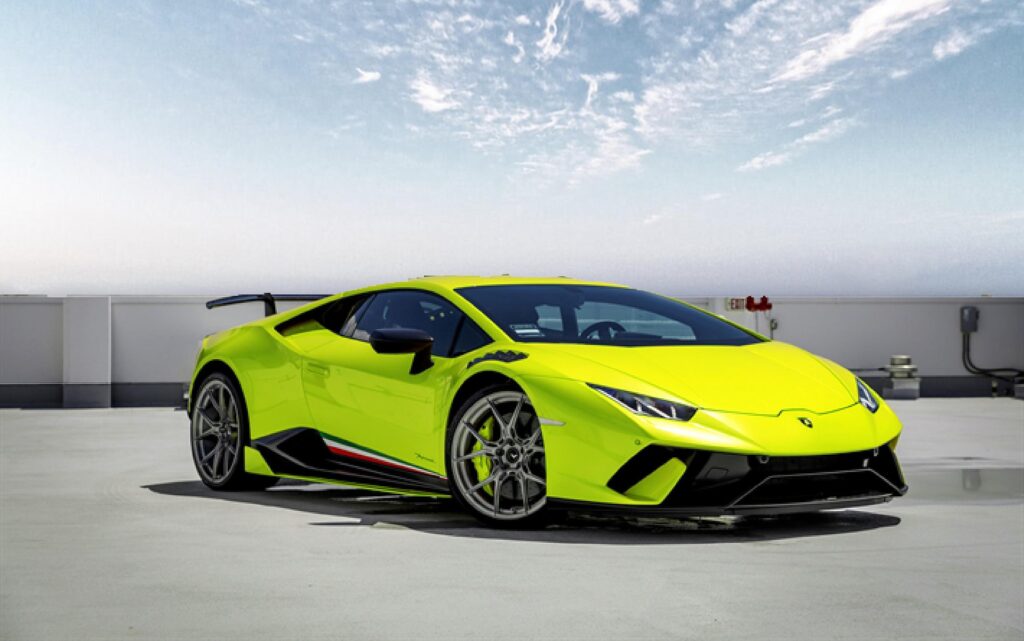
For many car enthusiasts, the terms supercar and hypercar are often used interchangeably. Both represent the pinnacle of automotive performance, design, and exclusivity. However, while they share many similarities, there are important differences that separate these two elite categories of vehicles. Understanding what defines a supercar versus a hypercar can give enthusiasts a deeper appreciation for the incredible machines at the very top of the automotive world.
Supercars are typically defined by their extraordinary performance, striking design, and high price tag compared to standard sports cars. These vehicles are engineered with powerful engines, advanced aerodynamics, and lightweight materials to deliver exceptional speed and handling. Brands like Ferrari, Lamborghini, McLaren, and Porsche have built their reputations by producing some of the most recognizable supercars in the world.
A modern supercar is designed to deliver both performance and excitement while still remaining usable on public roads. Many of these vehicles feature powerful V8, V10, or V12 engines capable of producing hundreds of horsepower. Combined with advanced suspension systems and aerodynamic designs, supercars can reach impressive speeds while maintaining precise handling and control.
Some of the fastest supercars ever built demonstrate just how far performance engineering has progressed. Today’s leading models combine massive horsepower with cutting-edge technology to push the limits of speed and acceleration. Enthusiasts who enjoy exploring the machines currently leading the performance race can learn more in The Fastest Supercars of 2026: Speed, Price, and Performance, which highlights the extraordinary vehicles pushing the boundaries of modern automotive engineering.
Hypercars take everything that defines a supercar and push it even further. The term hypercar is generally used to describe the absolute highest level of automotive performance and exclusivity. These vehicles represent the most advanced engineering a manufacturer can offer, often incorporating groundbreaking technology, experimental materials, and extremely limited production numbers.
One of the biggest differences between supercars and hypercars is rarity. While supercars may be produced in thousands of units, hypercars are typically built in very limited quantities. Some hypercars are limited to just a few dozen vehicles worldwide. This rarity significantly increases their desirability among collectors and enthusiasts.
Performance is another defining factor. Hypercars are designed to achieve performance figures that exceed even the most extreme supercars. Many hypercars feature hybrid powertrains that combine powerful internal combustion engines with electric motors to deliver extraordinary levels of horsepower and acceleration. These advanced systems allow hypercars to reach astonishing speeds while maintaining remarkable levels of control.
Examples of famous hypercars include the Bugatti Chiron Super Sport, the Koenigsegg Jesko Absolut, and the McLaren Speedtail. These vehicles are often produced as technological showcases, demonstrating what is possible when engineering teams are given the freedom to push innovation to its absolute limits.
Price also separates hypercars from traditional supercars. While supercars can already cost hundreds of thousands of dollars, hypercars often reach into the millions. Their extreme performance, limited production numbers, and cutting-edge technology make them some of the most valuable and sought-after vehicles ever created.
Beyond speed and rarity, hypercars frequently introduce technologies that eventually influence the broader automotive industry. Advanced aerodynamics, hybrid performance systems, and innovative materials often appear first in hypercars before gradually making their way into more mainstream performance vehicles.
For enthusiasts, the appeal of both supercars and hypercars goes far beyond simple performance statistics. These vehicles represent passion, engineering excellence, and the constant pursuit of automotive perfection. Whether someone dreams of owning a Ferrari supercar or an ultra-rare Bugatti hypercar, these machines capture the imagination in ways few other vehicles can.
Many of the vehicles that currently dominate speed discussions blur the line between these categories. Some high-end supercars approach hypercar levels of performance, making the distinction less about strict rules and more about overall philosophy. If you’re curious about the performance benchmarks currently shaping the supercar world, The Fastest Supercars in the World Right Now explores some of the record-breaking machines that continue redefining automotive limits.
Both supercars and hypercars represent the peak of automotive innovation. Supercars deliver thrilling performance combined with iconic design and prestige, while hypercars push engineering and exclusivity to an entirely different level. Whether you admire them for their speed, rarity, or sheer technological brilliance, these extraordinary vehicles remind us just how far automotive engineering can go when imagination meets innovation.
